

Hurricane Melissa: Deadly Category 5 Storm Slams Jamaica Then Eyes Cuba
The Atlantic hurricane season’s latest nightmare came in the form of Hurricane Melissa—a devastating cyclone that made landfall in southwestern Jamaica as a Category 5 hurricane with sustained winds reaching 185 mph (295 km/h), before heading toward eastern Cuba with massive destructive potential.
Officials in Jamaica declared large areas “disaster zones” after the storm swept through on October 28, leaving hundreds of thousands without power, inundated towns, and collapsed infrastructure. Meanwhile, Cuba ordered mass evacuations and braced for further flooding and landslides as Melissa descended into the eastern provinces.
The Storm’s Historic Landfall in Jamaica
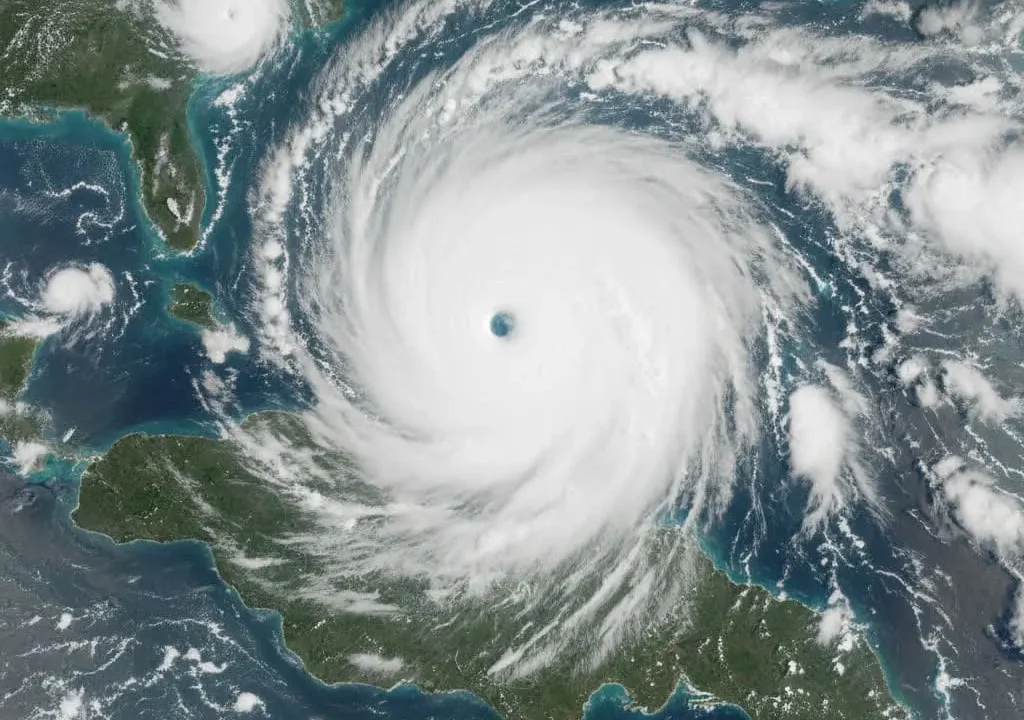
Melissa struck near New Hope in Westmoreland Parish, Jamaica—an area unaccustomed to such extreme intensity. With winds topping 185 mph and a minimum central pressure around 892 mb, it was one of the most powerful storms ever recorded in the Atlantic basin.The slow-moving system amplified damage, bringing catastrophic flooding, storm surges up to 13 feet, and power outages affecting more than 500,000 residents.
Prime Minister Andrew Holness described parts of Jamaica as “underwater” and warned that recovery would take months. Hospitals, roads and homes were damaged or destroyed, especially in the parishes of St Elizabeth and St Ann.Reuters The scale of destruction has sparked concerns of a humanitarian crisis in the region.
Onward to Cuba: Evacuations Underway
After ravaging Jamaica, Melissa continued toward Cuba, where authorities evacuated more than 735,000 people from vulnerable coastal and mountainous regions. The storm made landfall near Chiviricó in Santiago de Cuba province as a Category 3 storm with winds over 115 mph, and heavy rainfall—up to 20 inches—threatened landslides in steep terrain.People.com
The combination of high winds, downpours and mountainous terrain makes eastern Cuba especially vulnerable. Officials warned residents not to return to evacuated homes until the danger passed.
Impacts, Response & Climate Connection
The human cost is mounting: at least seven fatalities have been confirmed across the Caribbean so far, including at least three in Jamaica. The Red Cross estimates up to 1.5 million people could be directly affected in Jamaica alone.
Relief efforts are launching worldwide—included funds by the U.S., U.K., and international NGOs. The Miami Heat basketball team also donated US$1 million in emergency supplies.
Meteorologists highlight Melissa’s rapid intensification—from tropical storm to Category 5 in a matter of days—and long slow path over warm seas as indicators of climate-driven hurricane behaviour.
What Comes Next: Forecast & Key Concerns
- Next targets: After Cuba, Melissa is forecast to pass over the Bahamas and possibly approach Bermuda.
- Key threats: Storm surge, flooding, landslides—particularly in Jamaica’s mountainous south and Cuba’s eastern provinces.
- Logistical challenge: Many affected areas remain cut off due to infrastructure collapse; recovery access is delayed.
- Long-term outlook: Analysts warn that the combination of climate change and vulnerable infrastructure puts Caribbean islands at greater risk of devastating storms.
FAQ – Hurricane Melissa Jamaica & Cuba
Q1: Where did Hurricane Melissa make landfall?
A: Melissa made landfall in Jamaica near New Hope as a Category 5 hurricane with sustained 185 mph winds, then struck eastern Cuba as a Category 3.AP News
Q2: What makes this hurricane historic?
A: It’s the strongest storm on record to hit Jamaica, tied for one of the top landfall intensities in the Atlantic.
Q3: How many people were evacuated in Cuba?
A: Over 735,000 people were evacuated from coastal and high‐risk zones in eastern Cuba.The Guardian
Q4: What is the expected path of the storm now?
A: After Cuba, Melissa is expected to traverse the Bahamas and possibly approach Bermuda and the western Atlantic.
Q5: How is climate change related to this hurricane?
A: Researchers say the rapid intensification and sustained strength of Melissa are consistent with warmer ocean temperatures and slower storm movement linked to climate change.
Stay connected with TrendScoop360 for more updates on this story and other trending news across the United States and the whole world.